
You want to launch an online business in France but you have no company, no website, no clients, and maybe no clear idea yet. Fair enough – that’s where most people start. The good news : France has made it surprisingly easy to get a business off the ground in the last few years, especially online. The not-so-good news : there are real decisions to make early on, and getting them wrong can cost you time, money, or both.
The Practical Roadmap to Launching From Zero
Here’s the roadmap. Not the fluffy “follow your passion” kind – the actual, practical steps to go from zero to operational. If you want to dig deeper into the French entrepreneurial ecosystem, francentrepreneur.fr is a solid resource that covers a lot of the ground we’ll touch on here, especially around legal structures and admin.
Step 1: Find a Business Idea That People Will Actually Pay For

This sounds obvious, but it’s where most people get stuck. They either overthink it for months or jump on something trendy without checking if there’s real demand.
A few things that actually work when you’re testing an idea :
Search Google. Type what you’d sell or the problem you’d solve. Are people searching for it ? Are competitors already doing it ? Competitors are a good sign – it means there’s a market. No competitors usually means no demand.
Check marketplaces. Look at what’s selling on platforms like Etsy, Amazon, Udemy, or Malt. Real transactions tell you more than any business plan.
Talk to people. Not your friends who’ll tell you it’s a great idea to be nice. Talk to potential customers. Ask them what they’d pay for. Listen more than you pitch.
The most common online business models in France right now ? E-commerce (dropshipping or your own products), freelance services, online courses and coaching, SaaS tools, and content-based businesses. Each has different startup costs and timelines, but all of them can be launched with under €1,000 if you’re scrappy about it.
Step 2: Choose Your Legal Status – And Don’t Overthink It
This is where a lot of aspiring entrepreneurs in France freeze. The legal side feels intimidating. It shouldn’t.
If you’re just getting started and you’re not sure how much revenue you’ll generate, micro-entreprise (also called auto-entrepreneur) is almost always the right first move. Here’s why :
You can register online in about 20 minutes. There’s no minimum capital required. You pay social charges only on what you earn – nothing if you earn nothing. The tax system is simplified. And the annual revenue cap is €77,700 for services and €188,700 for goods (2025 thresholds – always double-check the current figures on official sources like the URSSAF website).
The downsides ? You can’t deduct expenses, you’re personally liable, and it’s not ideal if your costs are high relative to your revenue. But for testing a business idea online, it’s hard to beat.
If things take off and you start hitting the ceiling, you can always switch to a SASU or EURL later. That transition is manageable – don’t let it paralyse you now.
Step 3: Handle the Admin (It’s Less Painful Than You Think)

Once you’ve picked your status, here’s what you actually need to do :
Register your business. For a micro-entreprise, go through the Guichet Unique on the INPI website. It’s the single portal for all business registrations in France since 2023. You’ll get your SIRET number within a few days to a couple of weeks.
Open a dedicated bank account. Legally required if you exceed €10,000 in annual revenue for two consecutive years, but honestly, do it from day one. Mixing personal and business finances is a headache you don’t need. Online banks like Qonto, Shine, or even a simple separate account at your existing bank will do the job.
Get your invoicing sorted. You need to issue proper invoices with specific legal mentions – your SIRET, your status, applicable VAT info (you’re likely VAT-exempt under the franchise en base de TVA to start). Tools like Henrri or Freebe handle this for free or cheap.
Understand your tax obligations. As a micro-entrepreneur, you’ll declare your revenue monthly or quarterly to URSSAF. Social charges run between 21.1% and 23.1% depending on your activity type. Income tax is separate – you can opt for the versement libératoire if your household income qualifies, which lets you pay a flat percentage as you go.
That’s it for the basics. Don’t let anyone tell you it takes weeks of preparation. A motivated person can have a registered, operational business in France within 10 days.
Step 4: Build Your Online Presence – Start Simple
You don’t need a perfect website to start making money. You need something functional that lets people find you, understand what you offer, and pay you. That’s it.
For service-based businesses : A clean one-page site is enough. Use WordPress, Squarespace, or even a well-built Notion page to start. Add a clear description of what you do, your rates or a way to request a quote, and a contact form. Done.
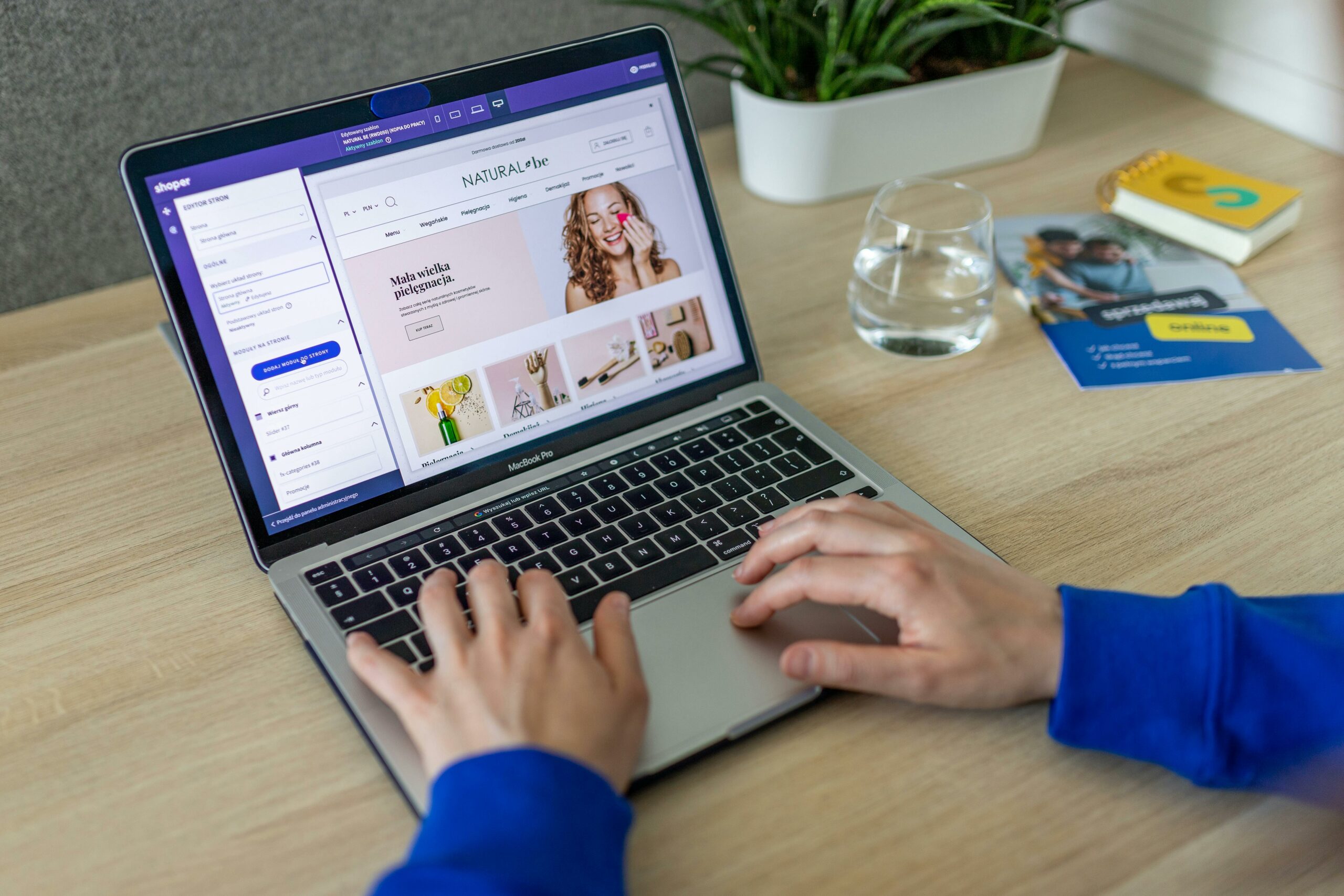
For e-commerce : Shopify is the fastest route if you’re selling your own products. WooCommerce on WordPress gives you more control but requires more setup. If you’re testing a product, marketplaces like Etsy or Amazon can work as a launchpad before you invest in your own store.
For freelancing : Platforms like Malt, Upwork, or Fiverr can get you your first clients while you build your reputation. They take a commission, but they also handle client acquisition, which is the hardest part early on.
One thing I’d push back on : don’t spend three months perfecting your logo and brand identity before you’ve made a single sale. That’s procrastination disguised as productivity. Get something live, get feedback, iterate.
Step 5: Get Your First Clients (The Hardest Part, Honestly)

Having a registered business and a website doesn’t mean anyone knows you exist. This is where most online businesses stall – not because the product is bad, but because the founder doesn’t know how to find buyers.
Here’s what actually works when you’re starting with zero audience and zero budget :
Direct outreach. Identify 50 people or companies who could use what you offer. Send them a personalised message – LinkedIn, email, wherever they are. Not a sales pitch. A genuine, specific message about how you can help them. Expect a 5-10% response rate. That’s normal.
Content marketing. Start writing about your area of expertise. Blog posts, LinkedIn articles, short social media posts. This is a slow game – don’t expect results in the first month. But after three to six months of consistent, useful content, it compounds.
SEO. If your business relies on people finding you through Google, invest time in understanding basic SEO. Target long-tail keywords that your ideal client would search for. A freelance web developer in Lyon, for example, should be writing content around phrases like “refonte site WordPress Lyon” or “développeur freelance e-commerce.”
Referrals. Tell everyone you know what you’re doing. Not in an annoying way – just be clear about what you offer and who it’s for. Word of mouth remains the highest-converting acquisition channel for small businesses, online or not.
Paid advertising. Facebook Ads and Google Ads can work, but don’t throw money at them until you’ve validated your offer organically. Ads amplify what’s already working. They don’t fix a broken offer.
Common Mistakes to Avoid When Starting an Online Business in France
A few traps that catch a lot of first-time entrepreneurs :
Waiting for the “perfect” idea. There’s no such thing. Pick something viable, test it, adjust. The best business ideas evolve through contact with real customers, not through brainstorming sessions.
Ignoring the financial runway. How many months can you sustain yourself without income from the business ? If the answer is “not many,” keep your day job and build on the side. There’s no shame in it – most successful online businesses in France started as side projects.
Undercharging. New entrepreneurs almost always price too low. Research what competitors charge. Factor in your social charges, taxes, and the time you spend on non-billable work (admin, marketing, learning). If you charge €30/hour as a freelancer and 23% goes to URSSAF plus income tax, you’re not taking home €30.
Skipping the legal basics. Yes, you can technically start selling before registering. No, you shouldn’t. URSSAF doesn’t have a great sense of humour about undeclared activity, and neither do clients who need proper invoices.
Over-investing in tools. You don’t need a €200/month CRM, a project management suite, and five SaaS subscriptions when you have three clients. A spreadsheet, a free invoicing tool, and an email account will cover you for a while.
How Much Does It Actually Cost to Start ?

Let’s talk real numbers. For a micro-entreprise selling services online :
Registration : free (micro-entreprise via Guichet Unique). Domain name : around €10-15/year. Basic hosting : €3-8/month. Simple website template or builder : €0-30/month. Invoicing software : free to €15/month. Business bank account : €0-10/month.
Total realistic startup cost : under €200 for the first year if you’re keeping things lean. That’s one of the genuine advantages of starting online – the barrier to entry is remarkably low.
If you’re selling physical products, add inventory costs, packaging, and potentially warehouse or shipping fees. That changes the equation significantly, but even then, starting small with limited stock and scaling up is entirely feasible.
What Happens After You Launch ?
Launching is not the finish line – it’s barely the starting block. The first six months will be a mix of learning, adjusting, and probably questioning your decisions at least twice. That’s normal.
Focus on three things during that period : getting customer feedback, improving your offer based on what you learn, and building a repeatable way to find new clients. Everything else is secondary.
And keep your admin clean from day one. Track every invoice, every expense, every payment. When your first tax declaration comes around, you’ll thank yourself for being organised rather than scrambling through bank statements at midnight.
Starting an online business in France is accessible, affordable, and realistic – even if you’re starting from absolutely nothing. The key is to stop planning and start doing. Register, build something simple, find your first client. Then do it again. That’s the whole secret, honestly.